
1 June 2026 · Flora Muijzer · 8 min read
Why your lower back pain keeps coming back (and what's actually keeping it there)
Recurring lower back pain rarely resolves by resting harder. Here is why the pattern keeps repeating and what actually breaks the cycle — from a Costa del Sol physiotherapist.
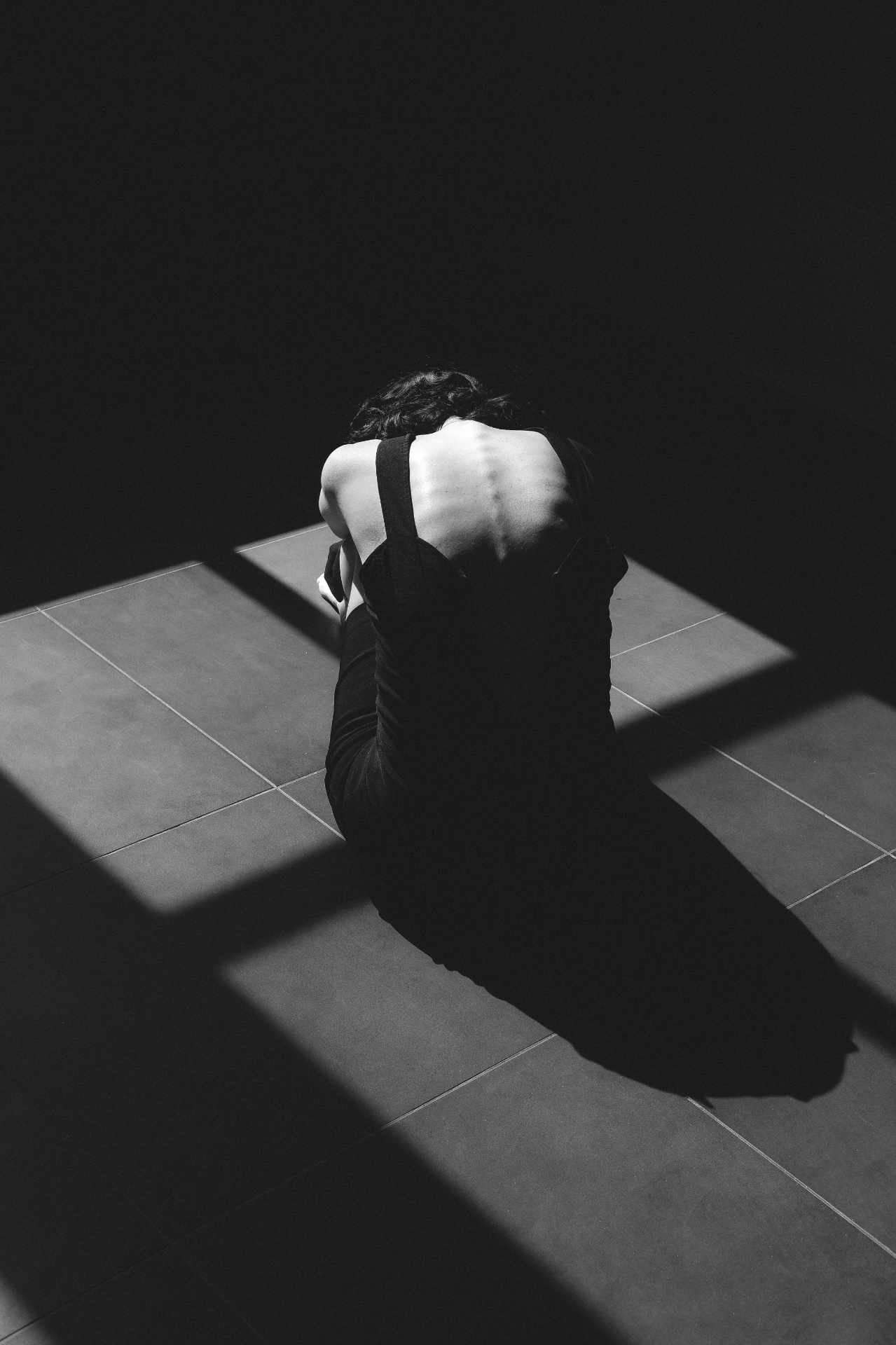
Recurring lower back pain rarely resolves by resting harder — the pattern breaks when we address what is keeping it there.
Reading time: approx. 9 minutes
Lower back pain is the most common musculoskeletal complaint I see in clinic — and one of the most misunderstood. Almost everyone will experience it at some point, and yet the advice floating around about what to do is often contradictory, outdated, or downright counterproductive.
What I notice most is this: people come in not after their first episode of lower back pain, but after their third or fourth. They have been managing it, resting when it flares, carrying on when it settles, and they are frustrated because it keeps coming back. If this sounds familiar, I want to explain why that pattern happens and, more importantly, what actually breaks it.
The outdated advice that is making things worse
For a long time, the standard advice for lower back pain was rest. Take it easy, avoid anything that provokes it, wait for it to settle. This felt intuitive, and it is not entirely wrong for the very acute phase. But as a long-term strategy, it is one of the main reasons lower back pain becomes a recurring problem.
Current clinical guidelines are clear: early, controlled movement is one of the most important things you can do for lower back pain. The spine is not a fragile structure. It is a remarkably robust column of bone, disc, and muscle designed to move, load, and adapt. When we protect it excessively — avoiding certain positions, bracing constantly, refusing to bend — we are not helping it recover. We are teaching it to be afraid.
This is sometimes called the fear-avoidance cycle, and it is far more common than most people realise. Pain leads to movement avoidance; avoidance leads to deconditioning; deconditioning makes the system more sensitive to load, and so the pain feels more significant even though the underlying tissue may have healed.
Why "something must be wrong in there" is usually not the answer
One of the most anxiety-provoking moments for someone with lower back pain is getting an MRI or X-ray. The report comes back full of findings — disc bulges, degenerative changes, facet joint arthropathy — and suddenly there is a narrative: of course it hurts, look at the state of it.
Here is the thing, though. Imaging findings in the lumbar spine are extraordinarily common in people who have no pain at all. Research consistently shows that by their forties, the majority of people have disc degeneration on MRI without any symptoms. A disc bulge or wear in the facet joints is often no more clinically significant than grey hair — a marker of age and use, not damage requiring protection.
This does not mean imaging is never useful. There are specific red flags — severe neurological symptoms, unexplained weight loss, bowel or bladder changes — that do warrant investigation. But for garden-variety lower back pain, the scan often generates worry without generating useful information. And worry, as we have seen, is not your spine's friend.
What is usually actually going on
Most non-specific lower back pain, the kind without a clear structural cause, is driven by a combination of the following:
- Load tolerance that does not match the demands being placed on it. Your back can tolerate a lot, but it does best with gradual, progressive loading. Spending five days sitting at a desk and then lifting furniture on the weekend is a recipe for a flare — not because the weekend activity was inherently dangerous, but because the spine was not prepared for the jump in demand.
- Weak or underused supporting musculature. The lower back does not work in isolation. It is part of a system that includes the glutes, deep abdominals, hip flexors, and thoracic spine. When these structures are not pulling their weight, the lumbar region ends up absorbing more than its share of the load.
- Hip mobility restrictions. This one surprises a lot of people. When your hips do not move well, especially in flexion and rotation, your lower back is forced to compensate. Over time, that compensation creates overload at the lumbar segments. Improving hip mobility often has a dramatic effect on lower back symptoms without directly treating the back at all.
- Prolonged static postures. Sitting is not inherently harmful and no single position is. But staying in any position for extended periods reduces circulation to spinal structures and creates local fatigue. The problem is not how you sit; it is how long you stay there.
What actually helps
Keep moving, thoughtfully
The goal is not to push through pain regardless. It is to gradually reintroduce the movements and loads that have been avoided, building tolerance over time. Walking is consistently one of the best interventions for lower back pain: low impact, rhythmic, and effective at reducing sensitivity in the nervous system.
If movement is very restricted, a good physiotherapist can help you identify where to start and how to progress. The key word is progress — a plan that stays the same week after week is not rehabilitation, it is management.
Address the whole system
Targeted strength work for the glutes and deep stabilisers is usually essential in persistent lower back pain. Not because the back is weak, but because the supporting cast often is.
Exercises I commonly use with patients include:
- Single-leg glute bridges and hip thrusts — to load the posterior chain without compressing the lumbar spine.
- Dead bugs — to train the deep abdominals while keeping the spine in a neutral position.
- Hip 90/90 stretches and hip flexor lengthening — to reduce the compensatory load on the lower back.
- Cat-cow and thoracic rotation — to restore movement in the segments above and below the lumbar spine.
None of these need to be painful to be effective. If an exercise significantly increases your pain, it is the wrong exercise for now — not because your back is fragile, but because your nervous system needs a gentler entry point.
Rethink the role of posture
"Sit up straight" has been drilled into most of us since childhood. The evidence behind it, however, is fairly weak. There is no single correct posture, and obsessing over maintaining a perfectly neutral spine can actually increase tension and pain sensitivity.
What matters more is variability: changing your position regularly, mixing sitting with standing or gentle movement, and not spending hours in the same static position regardless of what that position is.
Address sleep and stress
Two factors that are chronically underrated in lower back pain management. Poor sleep increases pain sensitivity, and there is good evidence that improving sleep quality reduces perceived pain intensity across a range of musculoskeletal conditions. Chronic stress activates the nervous system in ways that heighten pain responses. Neither of these is a psychological explanation that dismisses your pain — they are physiological mechanisms with real, measurable effects.
If your back always flares when work gets busy, or if you find you notice it much more when you have not slept well, that is not a coincidence.
When to seek help promptly
Most lower back pain, even when it is severe, resolves or significantly improves with the right approach over several weeks. But some symptoms warrant prompt medical attention rather than a wait-and-see approach:
- Numbness, tingling, or weakness in one or both legs.
- Pain that radiates into the foot (especially combined with foot drop or weakness).
- Bowel or bladder changes.
- Pain that is constant, severe, and unrelated to movement, including waking you at night.
- Unexplained weight loss alongside back pain.
These symptoms can indicate nerve compression or, in rare cases, something more serious. They are not common, but they are worth knowing about.
Questions our patients ask most about recurring lower back pain
Why does my lower back pain keep coming back?
Because the underlying drivers — load tolerance, hip mobility, glute and core strength, sleep and stress — have not been addressed. Each flare settles, but the system is left just as vulnerable as before. Breaking the cycle means building capacity, not just calming symptoms.
Should I get an MRI for recurring back pain?
Usually not, unless there are red flags such as leg weakness, numbness spreading into the foot, or bowel or bladder changes. Imaging findings in the lumbar spine are extremely common in people with no pain at all and often generate worry without changing treatment.
Is it safe to exercise when my back is sore?
In almost all cases, yes — with the right dosage. Gentle, progressive movement is one of the most effective interventions for lower back pain. Sharp pain or symptoms that stay elevated the next day mean the load is too high, not that exercise is off the table.
Do I have a "weak core" if my back keeps hurting?
Not necessarily. Most recurring lower back pain has more to do with load management, hip mobility, and glute strength than with abdominal weakness. Endless planks and crunches rarely fix it. A targeted programme addressing the whole system usually does.
How long does it take to get on top of recurring lower back pain?
Most people feel meaningful change within four to six weeks of a structured programme, with lasting improvements over three to four months. Chronic, long-standing patterns take longer to unwind but respond well when the underlying drivers are addressed.
Where can I get treatment for recurring lower back pain on the Costa del Sol?
Physio Flora sees back pain patients at our clinic in Riviera del Sol and inside The Clubhouse Marbella. We offer English-language consultations, no referral is needed, and same-week appointments are usually available.
The longer view
Lower back pain becomes a recurring problem when we treat it as something to wait out rather than something to understand and address. The cycle of flare, rest, recovery, and flare again is not inevitable — but breaking out of it usually requires more than doing nothing and hoping it settles for good this time.
The good news is that the evidence is genuinely encouraging. With the right combination of movement, load management, and strength work, most people with chronic or recurrent lower back pain can make significant, lasting improvements. The back wants to get better. Your job — and mine — is to give it the right conditions to do so.
At Physio Flora, we combine thorough clinical assessment with evidence-based treatment and a genuine understanding of the active, outdoor lifestyle that brings people to — and keeps people on — the Costa del Sol. We see patients from Riviera del Sol, Marbella, Fuengirola, Estepona, Benalmádena, Mijas Pueblo, and across the region.
No referral needed. English-language consultations. Appointments available this week.
Book online · Contact the clinic · Ask the Expert
Physio Flora · English, Dutch, German and Spanish-speaking physiotherapy on the Costa del Sol · Specialising in lower back pain, sports injuries and long-term rehabilitation.