
6 April 2026 · Flora Muijzer · 8 min read
Acute sports injuries on the Costa del Sol: what to do and how physiotherapy helps
Twisted ankle, muscle tear or golf injury on the Costa del Sol? What to do in the first 48–72 hours — and how sports physiotherapy at Physio Flora gets you back to training fast.
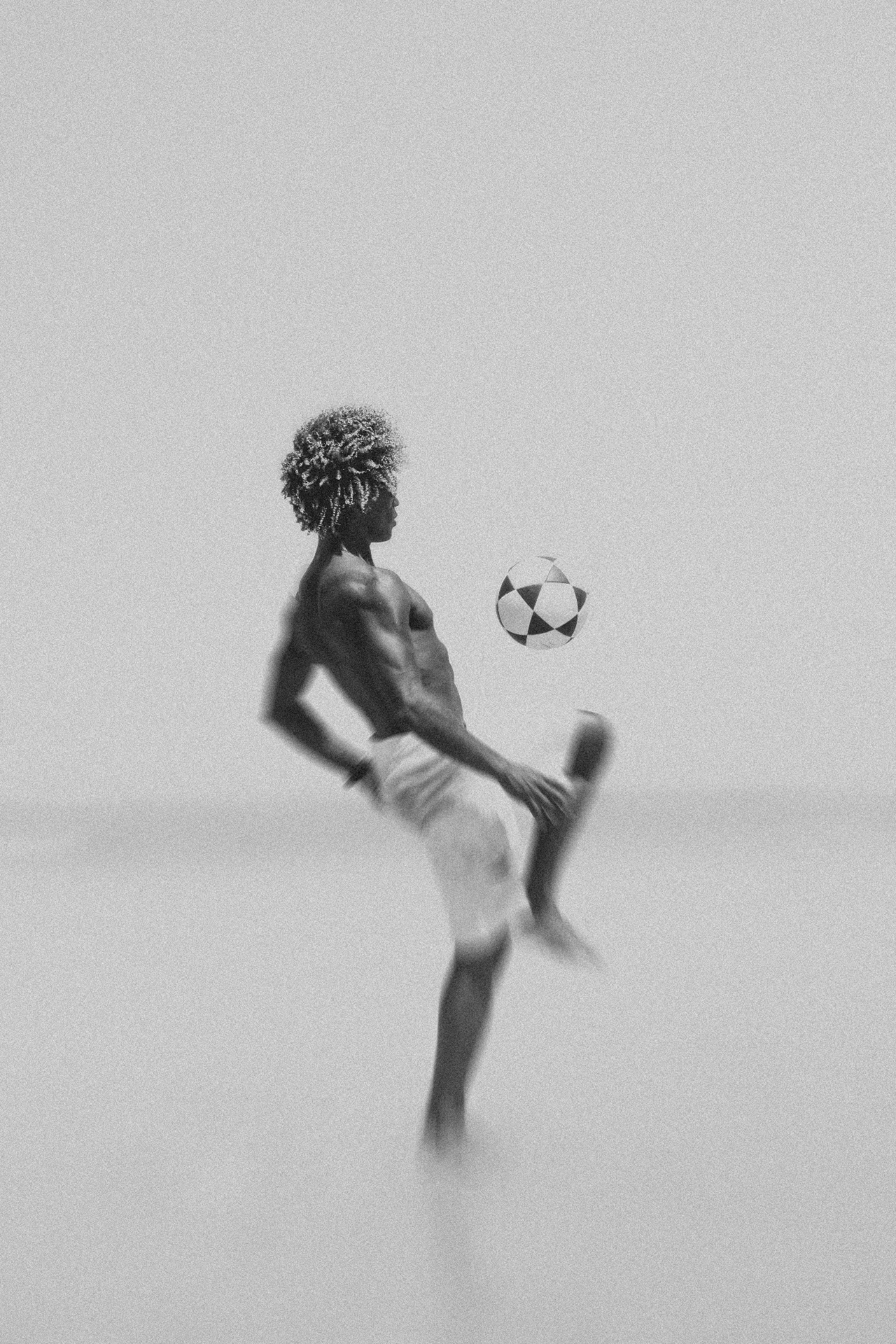
Explosive movement, sudden changes of direction, and the unforgiving demands of sport — where acute injuries happen, and where physiotherapy at Physio Flora helps you come back stronger.
Acute sports injuries on the Costa del Sol: what to do and how physiotherapy helps
Fast, correct treatment in the first 48–72 hours dramatically improves your recovery from an acute sports injury. Whether it happened on the padel court, mid-round at Valle Romano, or sprinting along the Paseo Marítimo, expert physiotherapy at Physio Flora — with clinics in Marbella and Riviera del Sol — gets you back to sport as quickly, and as safely, as possible.
You are mid-round, mid-run, or mid-set — and something goes wrong. A sharp pop in the ankle. A sudden pull in the hamstring. That sickening feeling that tells you today''s session is over. Acute sports injuries happen fast, but what you do in the first 48–72 hours makes all the difference to how quickly, and how fully, you recover. Waiting it out, hoping it will resolve on its own, or jumping straight back into training are the three mistakes we see most often in the clinic.
In this guide you''ll find the most common acute sports injuries we treat on the Costa del Sol, the POLICE protocol for the first 48 hours, how physiotherapy speeds up recovery, realistic recovery timelines by injury type, and answers to the questions our patients ask most.
Most common acute sports injuries we treat
The Costa del Sol is one of the most sports-active regions in Europe. Year-round sunshine, hundreds of kilometres of cycling and running routes, over 70 golf courses, and the explosive rise of padel mean that musculoskeletal injuries are a constant presence in our clinic. These are the injuries we treat most frequently:
- Ankle sprains — the single most common acute sports injury worldwide, and just as prevalent here. Rolling the ankle on uneven terrain, during a padel lunge, or landing awkwardly from a jump can stretch or tear the lateral ankle ligaments. Even a "mild" sprain should be assessed — undertreated ankle sprains are a leading cause of chronic instability and re-injury.
- Hamstring and calf muscle tears — affecting runners, cyclists, footballers, and padel players in particular. A sudden sprint or explosive change of direction can strain or partially tear the muscle fibres. The Grade I–III classification matters: the right treatment approach is different at each level.
- Golf-related injuries — the rotational forces of the swing place significant demands on the lower back, wrists, elbows, and shoulders. Golfer''s elbow, rotator cuff strains, and lumbar disc irritation are the three we see most often — many linked to biomechanical faults that TPI-informed assessment can identify and correct.
- Padel injuries — explosive lateral movement, overhead smashes, and rapid direction changes produce a characteristic pattern: ankle sprains, shoulder impingement, knee ligament strains, and wrist injuries. If you play padel regularly on the Costa del Sol and something is not right, you are far from alone.
- Running injuries — plantar fasciitis (heel pain, worst in the first steps of the morning), shin splints, and IT band syndrome from the sloped camber of beach paths and hillside trails all respond extremely well to physiotherapy.
- ACL and knee ligament injuries — most often from contact sport, a padel twist, or skiing on a winter trip. Early physiotherapy significantly improves outcomes whether you are heading for surgery or pursuing a conservative rehabilitation route.
The POLICE protocol: what to do in the first 48 hours
For years, the standard advice for acute sports injuries was RICE. Modern sports medicine has evolved this into POLICE, which reflects the shift away from complete rest towards early, gentle loading.
- P — Protection. Protect the area from further damage: stop the activity, use crutches for a lower-limb injury, or support the joint with a bandage or brace. Protection does not mean immobilisation — it means avoiding movements or loads that increase pain significantly.
- OL — Optimal Loading. The key departure from old-school advice. Complete rest is rarely beneficial and can actually slow healing. Gentle, pain-guided movement — started as soon as it is tolerable — stimulates healing, maintains muscle function, and reduces excessive scar tissue. A physiotherapist will guide you on what "optimal" means for your specific injury.
- I — Ice. Useful in the first 24–72 hours to reduce pain and swelling. Apply a cold pack (wrapped in a cloth) for 15–20 minutes at a time, several times a day. Ice does not speed up healing, but it makes the early days more manageable.
- C — Compression. A compression bandage or wrap helps control swelling and provides proprioceptive feedback — particularly important for ankle injuries.
- E — Elevation. When resting, elevate the injured limb above heart level to encourage drainage and reduce swelling. Most relevant for ankle and knee injuries in the first 48 hours.
When to go to urgencias — and when to call a physiotherapist
Go to urgencias (A&E) if you suspect a fracture: a snapping sound at the moment of injury, severe swelling within minutes, inability to bear any weight, or obvious deformity. A physiotherapist cannot treat a fracture until it has been confirmed and managed medically.
For everything else — sprains, muscle tears, ligament strains, tendon injuries, and impact bruising without suspected fracture — a physiotherapist is the right first call. You do not need a doctor''s letter or referral. We can assess you, confirm the diagnosis, rule out the need for imaging, and begin treatment in the same appointment.
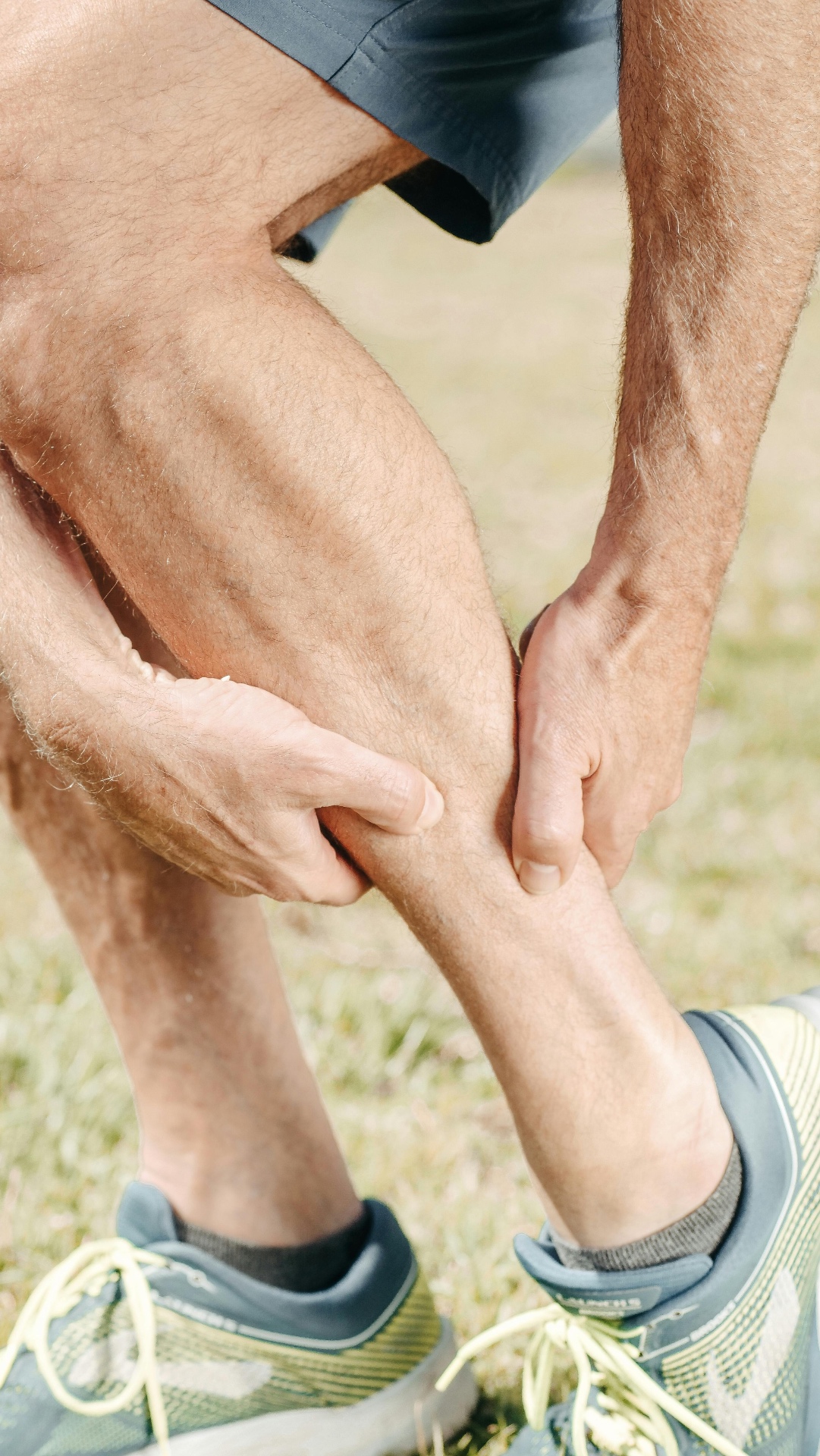 Calf and hamstring strains are among the most common running and padel injuries we see — early loading, not total rest, is what gets you back on the road.
How physiotherapy speeds up sports injury recovery
Early physiotherapy does more than treat pain. It directs the healing process, prevents compensatory movement patterns from developing, and builds the strength and coordination that protect you from re-injury. A typical treatment pathway at Physio Flora includes:
- Initial assessment and diagnosis — thorough and specific. We identify the structure involved, the severity of the injury, and any contributing factors (movement patterns, muscle imbalances, footwear, training load) that need to be addressed to prevent recurrence.
- Manual therapy and soft-tissue techniques — reduce pain, control swelling, and maintain joint mobility in the early stages. Depending on the injury this may include joint mobilisation, soft-tissue massage, and instrument-assisted myofascial release.
- Dry needling and shockwave therapy — highly effective for muscle-tension components of hamstring, calf and shoulder injuries, and for chronic tendon problems such as golfer''s elbow, patellar tendinopathy, and plantar fasciitis.
- Taping and bracing — kinesiology tape and rigid sports tape provide support, reduce swelling, and improve proprioception, allowing an earlier return to activity.
- Progressive loading and strength rehabilitation — the heart of injury recovery. A structured programme gradually reloads the injured tissue through its full range, building strength, power, and coordination. This is where most DIY recovery falls short.
- Return-to-sport planning — "pain-free" is not the same as "ready to play." We use functional movement benchmarks to determine when it is genuinely safe to return, and at what level.
- Injury prevention programme — once you are back in training, a prehabilitation programme targets the movement patterns, strength deficits, and biomechanical factors that contributed to the original injury.
How long will my recovery take?
Every injury and every person is different. These are approximate timelines for the most common injuries we see, assuming appropriate physiotherapy treatment is started promptly:
| Injury | Typical recovery range |
|---|---|
| Ankle sprain (Grade I) | 1–3 weeks |
| Ankle sprain (Grade II) | 3–6 weeks |
| Calf muscle strain (Grade I–II) | 2–6 weeks |
| Hamstring strain (Grade I–II) | 3–8 weeks |
| Golfer''s elbow / tennis elbow | 4–12 weeks |
| Plantar fasciitis | 6–12 weeks |
| IT band syndrome | 4–8 weeks |
| Rotator cuff strain | 4–12 weeks |
| ACL injury (conservative) | 9–12+ months |
Delays in seeking treatment, returning to sport too soon, or incomplete rehabilitation all extend recovery significantly.
Important: these timelines assume early assessment and a properly progressed rehabilitation programme. If your injury happened in the last 72 hours, book an assessment now — the earlier we see you, the more we can influence your recovery.
Frequently asked questions
Should I rest completely after a sports injury?
In most cases, no. Complete rest is rarely the optimal approach. Gentle, pain-guided movement and early loading stimulate healing and prevent the muscle weakness and joint stiffness that full rest creates. A physiotherapist will tell you exactly what movement is appropriate, and when.
Can I see a physiotherapist without an X-ray or doctor''s note in Spain?
Yes. No referral is needed to book an appointment at Physio Flora. We carry out a clinical assessment to determine the nature and severity of your injury, and refer for imaging (X-ray, MRI, ultrasound) only when clinically indicated. In many cases, imaging is not necessary and treatment can begin immediately.
Is there an English-speaking sports physiotherapist near Marbella or Fuengirola?
Yes — Physio Flora is based in Riviera del Sol, conveniently located between Fuengirola and Marbella. All consultations are conducted in English, and we work regularly with expats and international visitors from across the Costa del Sol. No language barrier, no confusion about your treatment plan.
How soon after injury should I book a physiotherapy appointment?
As soon as possible. The window immediately after an acute injury — when inflammation is active and tissue healing is beginning — is when physiotherapy has the greatest influence on your recovery trajectory. We recommend booking within 24–72 hours of injury, and same-week appointments are available for acute cases.
Do you treat padel injuries on the Costa del Sol?
Absolutely. Padel is one of the fastest-growing sports in Spain, and padel-related injuries now form a significant part of our caseload. From ankle sprains and shoulder impingement to wrist injuries and knee ligament strains, we have specific experience in the movement demands and injury patterns of the sport.
Will my private health insurance cover sports physiotherapy in Spain?
Many policies — including those held by expats through Sanitas, Adeslas, AXA, and international providers — cover physiotherapy. Check your policy details before booking. We provide full treatment documentation to support insurance claims.
Injured on the Costa del Sol? Don''t wait.
In sports injury recovery, time is not on your side when treatment is delayed. The earlier we see you, the more we can influence the healing process — and the faster you will be back doing what you love.
At Physio Flora we combine thorough clinical assessment with evidence-based, athlete-centred rehabilitation and a genuine understanding of the active, outdoor lifestyle of the Costa del Sol. We see patients from Riviera del Sol, Marbella, Fuengirola, Estepona, Benalmádena, Mijas Pueblo, and across the region.
No referral needed. English-language consultations. Same-week appointments for acute injuries.