
13 July 2026 · Flora Muijzer · 6 min read
Plantar fasciitis: why this heel pain lingers on the Costa del Sol and how shockwave therapy fixes it
Struggling with heel pain in Marbella or Mijas? Physio Flora offers shockwave therapy, manual therapy and dry needling for lasting plantar fasciitis relief.
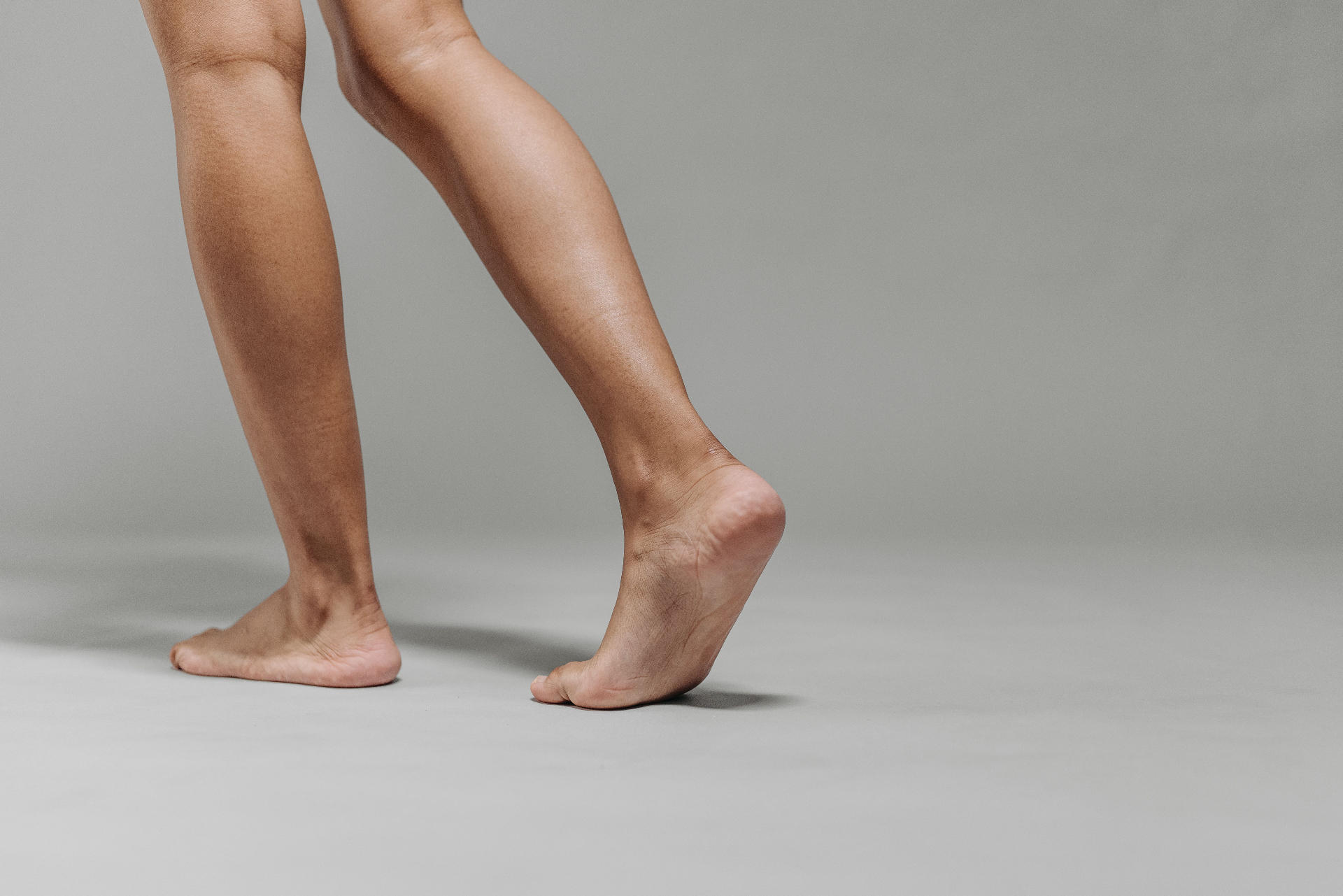
The plantar fascia works in a chain with the calf and heel — one reason plantar fasciitis lingers on the Costa del Sol's hard, tiled surfaces.
Roughly one in ten adults will experience plantar fasciitis at some point in their life. The barefoot-on-tile, sandals-on-cobblestone lifestyle of the Costa del Sol does nothing to lower those odds.
Plantar fasciitis is highly treatable once the right combination of load management and hands-on therapy is applied. Most patients who follow a structured plan return to walking, running, and court sport without that dreaded first step of the morning.
In this guide, you'll find:
- The most common causes of plantar fasciitis on the Costa del Sol
- Why the pain lingers instead of resolving on its own
- How we diagnose the root cause at Physio Flora
- Our physiotherapy treatment options, including shockwave therapy
- Three physiotherapist-approved exercises to start today
- Answers to the questions our patients ask most
What is plantar fasciitis, and why the name is slightly misleading
The plantar fascia is a thick band of tissue running from your heel to the base of your toes. It supports the arch of your foot and absorbs shock with every step. When it is overloaded, small areas of the fascia develop tiny tears and thickening near the heel bone.
"Fasciitis" implies inflammation, but in cases that have lasted more than a few weeks, the tissue is usually undergoing degenerative changes instead. This distinction matters. Chronic plantar fasciitis behaves more like a tendinopathy than an inflammatory condition. As a result, the treatment approach needs to focus on load and tissue remodelling, not just rest and ice.
Common causes of plantar fasciitis on the Costa del Sol
- Hard, unforgiving surfaces. Pavements, padel courts, and tiled floors throughout the region offer little shock absorption compared with softer terrain.
- Minimal footwear habits. Flip-flops and barefoot walking are part of daily life here. However, they remove the arch support that many feet rely on, particularly later in the day.
- A sudden jump in walking or running volume. Visitors who spend a week exploring on foot, or residents who start a new running programme, often overload the fascia before it has adapted.
- Tight calf muscles. Limited ankle flexibility increases tension through the plantar fascia with every step, because the two structures work as a connected chain.
- Standing occupations. Hospitality and retail staff across Marbella and Fuengirola spend long shifts on hard floors, which places sustained load through the heel.
- Higher body weight or a sudden increase in activity level. Both raise the mechanical demand on the fascia beyond what it has adapted to handle.
Because several of these factors often overlap, plantar fasciitis rarely has a single cause. This is exactly why a generic stretching routine alone often falls short.
Why the pain keeps coming back instead of settling
Morning heel pain has a clear explanation. Overnight, the plantar fascia shortens slightly while the foot is at rest. Your first steps stretch it rapidly, which irritates the already sensitive tissue. This is why the pain is often sharpest getting out of bed, then eases slightly, only to return after a long day on your feet.
Many people try to manage this with rest alone. Unfortunately, this rarely resolves chronic cases, because the fascia needs progressive, controlled loading to remodel and strengthen. Without it, the tissue stays in a fragile, easily irritated state for months or even years.
How we diagnose the root cause at Physio Flora
Every assessment starts with a detailed history and a hands-on examination. We palpate the fascia to locate the exact area of irritation and perform the windlass test, which reproduces heel pain by stretching the fascia through the toes.
In addition, we check ankle and calf flexibility, foot arch structure, and walking or running mechanics. Because heel pain can occasionally come from a nerve entrapment or a fat pad issue rather than the fascia itself, ruling out these alternative causes early prevents weeks of treating the wrong problem. We also review your footwear and daily activity patterns, since these often explain why the pain has not settled on its own.
Our physiotherapy treatment options for plantar fasciitis
Shockwave therapy. For plantar fasciitis that has become chronic, shockwave therapy is one of the most effective tools available. It stimulates the tissue's own healing response and is particularly well suited to fasciopathy, unlike some manual techniques that work better on joint or spinal issues. Most patients notice a meaningful reduction in morning pain within three to four sessions.
Manual therapy and joint mobilisation. Hands-on mobilisation of the ankle and midfoot restores the movement your foot needs to distribute load properly with each step.
Dry needling. Targeted needling of the calf and the small intrinsic muscles of the foot reduces the tension feeding into an irritated fascia.
Sports massage. Releasing tightness through the calf and foot supports the other treatments and improves day-to-day comfort between sessions.
Progressive loading programme. We build a graded plan of calf and foot strengthening exercises, since controlled loading is what actually remodels the fascia over time, rather than passive rest.
Footwear and activity guidance. Small, practical changes, such as a supportive sandal for beach days or a temporary reduction in barefoot walking on tile, take pressure off the fascia while it heals.
Sports performance and return-to-activity planning. For runners, padel players, and keen walkers, we build a structured return so that pain does not resurface the moment you resume full training.
Three physiotherapist-approved exercises to start today
1. Calf stretch against a wall. Stand facing a wall with one foot back, heel flat on the floor and knee straight. Lean forward gently until you feel a stretch in the calf. Hold for 30 seconds and repeat three times on each side. This directly addresses the calf tightness that drives so many cases.
2. Plantar fascia stretch. Sit down and cross the affected foot over your opposite knee. Pull your toes back gently towards your shin until you feel a stretch along the arch. Hold for 20 seconds and repeat three times. This is especially useful first thing in the morning, before your first steps.
3. Towel scrunches. Sit with a small towel flat on the floor under your foot. Use your toes to scrunch the towel toward you, then release. Repeat ten times on each side. This strengthens the small intrinsic muscles that support the arch alongside the fascia.
If pain sharpens with any of these exercises, stop and book an assessment before continuing.
Answers to the questions our patients ask most
How long does plantar fasciitis take to heal?
Mild cases often improve within six to eight weeks with the right loading programme. Chronic cases, especially those present for several months, can take three to six months, though shockwave therapy frequently speeds this up.
Should I stop running or walking completely?
Usually not. In most cases, we recommend modifying volume and surface rather than stopping entirely, since some controlled loading supports recovery. We will guide you on what is appropriate for your stage.
Do I need orthotics?
Sometimes, particularly for feet with very high or very low arches. However, orthotics work best alongside treatment and strengthening, not as a replacement for it.
Why is the pain worse in the morning?
Because the fascia tightens overnight, your first steps stretch it suddenly. This is one of the clearest signs of plantar fasciitis, rather than another cause of heel pain.
Do I need an injection or surgery?
Rarely. The vast majority of cases resolve fully with physiotherapy, shockwave therapy, and addressing the load factors involved.
Ready to get back on your feet pain-free?
Plantar fasciitis does not have to define how your mornings start. With the right combination of shockwave therapy, manual therapy, and progressive loading, most patients return to full walking, running, and court sport without that dreaded first step of the morning.
At Physio Flora, we combine thorough clinical assessment with evidence-based treatment and a genuine understanding of the active, outdoor lifestyle that brings people to — and keeps people on — the Costa del Sol. We see patients from Riviera del Sol, Marbella, Fuengirola, Estepona, Benalmádena, Mijas Pueblo, and across the region.
No referral needed. Consultations in English, Dutch, German and Spanish. Same-week appointments available.