
13 April 2026 · Flora Muijzer · 10 min read
What is physiotherapy? Everything you need to know — and how it can help you on the Costa del Sol
New to physiotherapy or unsure what to expect? A clear, practical guide to what physiotherapy is, how it works, and how it can help you on the Costa del Sol.
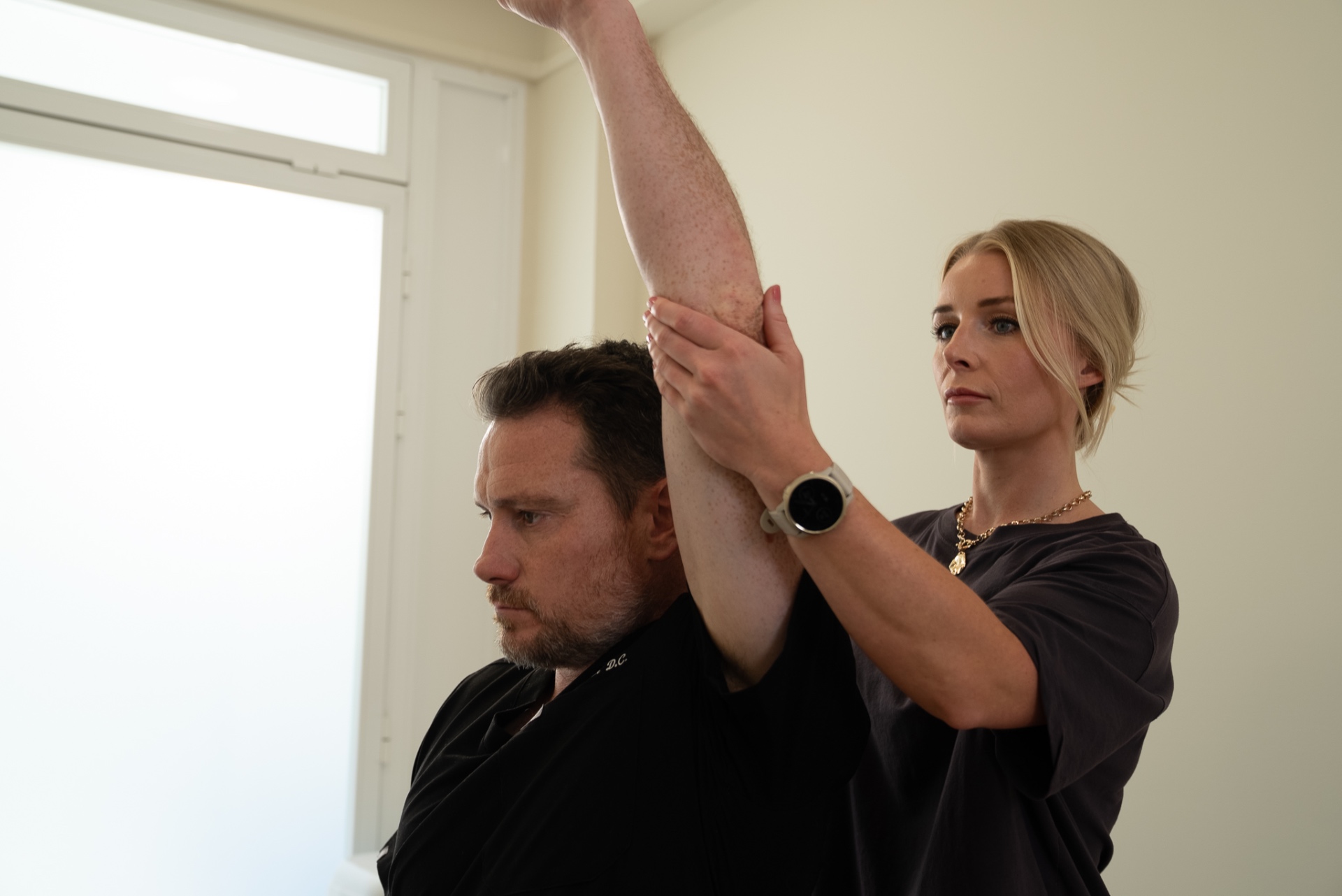
A shoulder mobility assessment at Physio Flora — the starting point for restoring pain-free movement.
What is physiotherapy? Everything you need to know — and how it can help you on the Costa del Sol
You do not have to be a professional athlete, recovering from major surgery, or in severe pain to benefit from physiotherapy. In fact, some of the people who benefit most are those who have been quietly managing a nagging problem for months — the shoulder that aches after golf, the back that stiffens on long drives, the knee that protests on the stairs of a hillside villa.
Physiotherapy is one of the most effective, evidence-based approaches to reducing pain, restoring movement, and improving your quality of life — without medication or surgery. Yet many people on the Costa del Sol are not entirely sure what physiotherapy involves, how it differs from other therapies, or when to book an appointment. This guide answers all of that — clearly and practically.
In this guide you'll find what physiotherapy actually is (and how it differs from physical therapy), the techniques used and what to expect during a session, the injuries and chronic conditions physiotherapy treats, the broader benefits beyond pain relief, and when you should see a physiotherapist at Physio Flora, with clinics in Marbella and Riviera del Sol.
What is physiotherapy?
Physiotherapy is a regulated healthcare profession focused on improving movement, restoring function, and reducing pain through evidence-based treatment. Physiotherapists assess a person's physical condition, identify the root cause of their problem, and design a personalised treatment plan with a clear goal: reduce pain, restore movement, increase quality of life, and prevent further injury.
Physiotherapy in Spain is a protected medical profession, regulated by the Ministry of Health. This is an important distinction that causes a great deal of confusion — particularly among international patients on the Costa del Sol.
Physiotherapy vs. physical therapy — what is the difference?
In Spain, the terms are not interchangeable. Physiotherapy is a regulated medical profession requiring a university degree, clinical placement, and registration with the official professional body. Physical therapy, by contrast, is not a regulated profession in Spain, and practitioners may have very different educational backgrounds.
As a licensed physiotherapist in Andalucía, Flora is registered with Colfisio (Colegio de Fisioterapeutas Profesionales de Andalucía) — the official college of physiotherapists. This registration is the mark of a qualified, insured, and accountable professional. When booking any physiotherapy on the Costa del Sol, it is always worth checking that your therapist holds this registration.
What does a physiotherapist do?
Physiotherapists are movement specialists of the human body. Unlike a GP, who manages your health broadly, or a surgeon, who intervenes structurally, a physiotherapist's expertise lies specifically in how your body moves — and what happens when it stops moving well. We work alongside doctors, traumatologists, and surgeons as part of a broader care team, but we are also frequently the right first point of contact when pain or injury first appears.
Techniques used in physiotherapy
Physiotherapy is not a single treatment — it is a toolkit. At Physio Flora, we draw on a range of evidence-based techniques, selected specifically for each patient and each condition:
- Manual therapy — hands-on techniques including soft-tissue massage, joint mobilisation, and joint manipulation. The goal is to restore normal movement to stiff joints, reduce muscle tension, and alleviate pain directly at the source. A core component of treatment for back pain, neck pain, joint problems, and many sports injuries.
- Exercise therapy — the foundation of long-term recovery and prevention. Tailored programmes strengthen the muscles that support your joints, improve flexibility and mobility, restore normal movement patterns, and address the underlying reasons an injury occurred in the first place. Not generic gym work; specific, progressive, and designed around your body and your goals.
- Education — often underestimated, but central to lasting outcomes. Understanding your posture, how your body mechanics contribute to pain, and how to move safely in everyday life gives you the tools to maintain the gains made in the clinic.
- Dry needling and medical acupuncture — fine acupuncture-style needles used to release trigger points: tight, knotted areas within muscles that contribute to pain and restricted movement. Particularly effective for muscle-related pain in the back, neck, shoulders, and legs.
- Shockwave therapy and electrotherapy — physical energy (acoustic waves or electrical stimulation) used to reduce pain, promote tissue healing, and address conditions such as tendinopathy, plantar fasciitis, and calcific shoulder. Especially valuable for chronic conditions that have not responded to manual therapy or exercise alone.
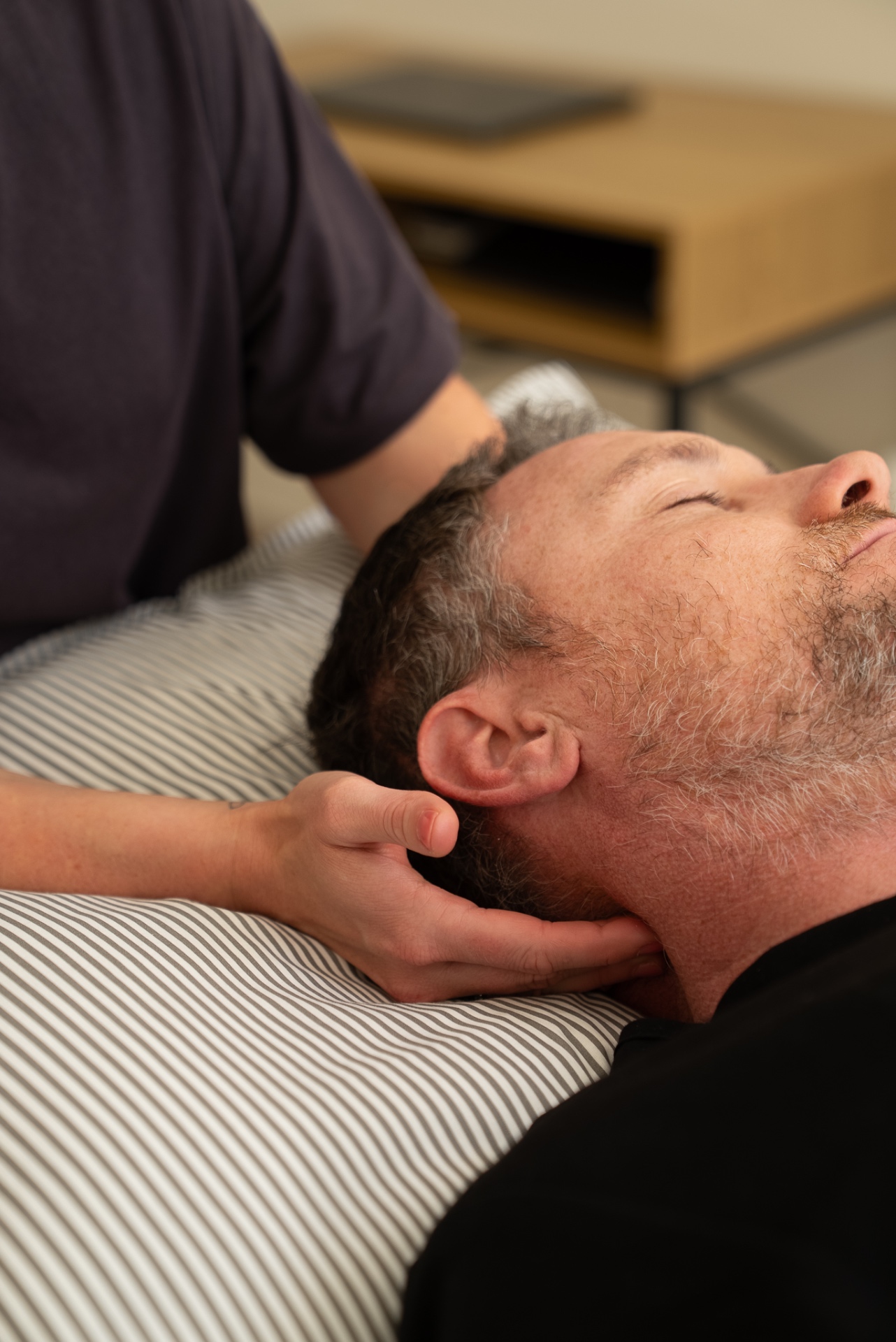 Manual therapy to the cervical spine — releasing tension and restoring movement at the source of the pain.
What to expect during a physiotherapy session at Physio Flora
If you have never seen a physiotherapist before, knowing what to expect helps. A typical session at Physio Flora follows this structure:
- Assessment — we evaluate your movement, strength, flexibility, and pain, asking detailed questions about when the problem started, what makes it better or worse, and how it affects your daily life. This is where the diagnosis is made and the treatment direction is set.
- A personalised treatment plan — designed around your diagnosis, lifestyle, goals, and how your body responds. There is no one-size-fits-all protocol at Physio Flora.
- Hands-on therapy — the combination of manual techniques, dry needling, or electrotherapy most appropriate for your condition that day.
- Education and exercise guidance — built into every session. You will leave with a clear understanding of what is causing your problem, what we are doing about it, and what you can do at home between sessions.
- Progress review — regular tracking of how your body is responding, with adjustments to the plan as needed. Recovery is not always linear, and a good physiotherapist adapts with you.
Sessions at Physio Flora typically last 45–60 minutes. Frequency depends on your condition — some patients need weekly appointments early in recovery; others benefit from fortnightly sessions as they progress.
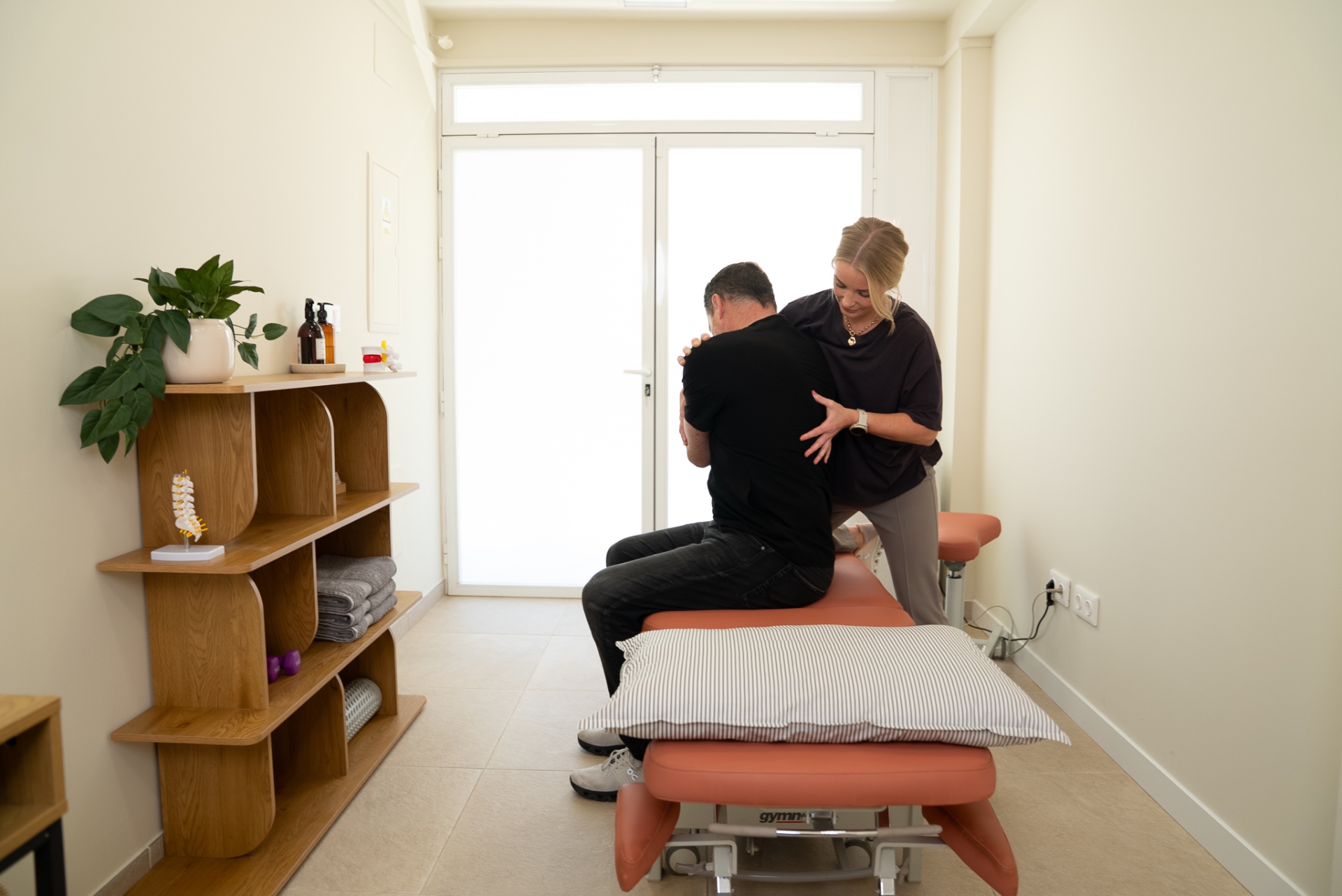 Inside the Physio Flora treatment room in Riviera del Sol — where every session begins with a thorough clinical assessment.
How physiotherapy helps with injuries
Injuries — whether acute or cumulative — limit movement and cause pain, making daily activities harder than they should be. Physiotherapy supports recovery by addressing the root cause rather than just managing symptoms.
- Sports injuries are among the most common presentations in our clinic on the Costa del Sol. Sprains, muscle strains, tendinopathy, and overuse injuries respond extremely well to physiotherapy. Treatment focuses on reducing pain and inflammation early on, restoring strength and flexibility through progressive rehabilitation, and improving the movement patterns and biomechanics that contributed to the injury — so it does not happen again. Read more in our guide on acute sports injuries.
- Post-surgical rehabilitation is one of the most important — and most undervalued — phases of any surgical pathway. After knee replacement, ACL reconstruction, rotator cuff repair, or spinal surgery, the muscles and joints surrounding the operated area become stiff and weak. Physiotherapy guides you through structured, milestone-based recovery: gentle mobilisation early on, progressive strengthening as healing advances, and a safe return to full activity when the tissue is genuinely ready. The quality of your rehabilitation is the single biggest determinant of your surgical outcome.
- Fractures and bone injuries require careful management of the surrounding muscles and joints during and after the healing period. Inactivity causes muscle weakness and joint stiffness that can persist long after the bone has healed. Physiotherapy prevents this by guiding safe, progressive loading and mobility work — for example, restoring grip strength and wrist flexibility after a Colles fracture, or rebuilding leg strength and gait mechanics after a lower limb fracture.
Physiotherapy for chronic conditions
Physiotherapy is not only for acute injuries. A significant part of our work at Physio Flora involves helping people manage long-term conditions that affect their movement, independence, and quality of life.
- Arthritis — both osteoarthritis and rheumatoid arthritis — causes joint pain, stiffness, and progressive loss of function. Physiotherapy cannot reverse the structural changes of arthritis, but it significantly reduces their impact. Exercise therapy strengthens the muscles that support affected joints, reducing load and pain. Manual therapy improves joint mobility and reduces stiffness. Education helps patients stay active in ways that protect rather than aggravate their joints.
- Chronic back and neck pain are among the most prevalent conditions affecting both the expat community and local residents on the Costa del Sol. Physiotherapy addresses these problems by identifying the specific structures involved, correcting posture and movement habits that perpetuate the problem, strengthening the core and postural muscles that support the spine, and using manual therapy to relieve acute episodes of pain and muscle tension. See our full guide on lower back pain.
- Neurological conditions — including stroke, multiple sclerosis, and Parkinson's disease — affect movement, balance, and coordination. Physiotherapy plays a vital role in maintaining and improving function: working on balance and gait, muscle strength, and adaptive techniques for daily activities. For stroke survivors in particular, early and consistent physiotherapy is one of the strongest predictors of functional recovery.
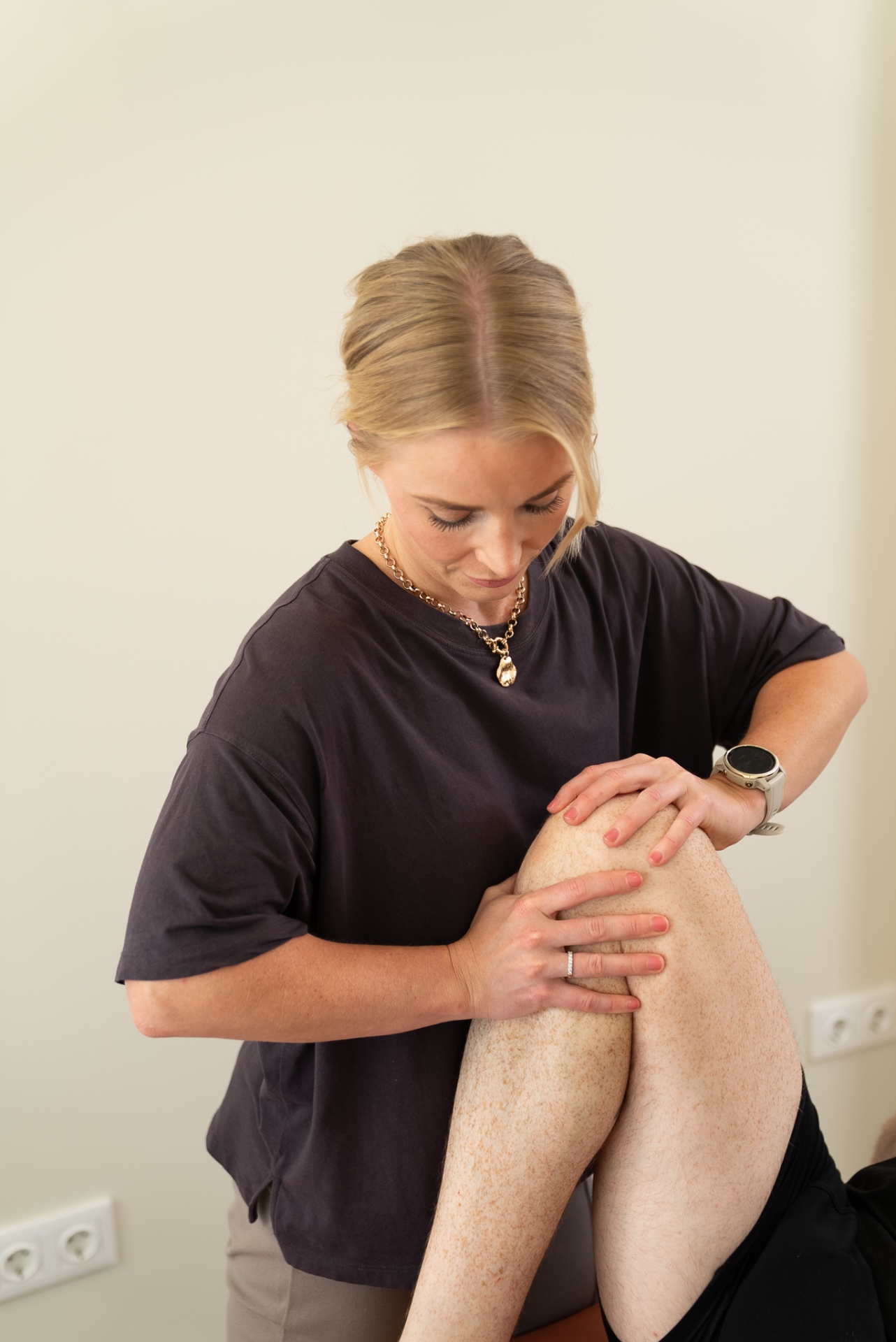 A knee assessment at Physio Flora — identifying the exact cause of pain before treatment begins.
Benefits beyond physical healing
The benefits of physiotherapy extend well beyond the physical. Chronic pain and limited mobility take a significant toll on mental and emotional wellbeing — leading to frustration, reduced confidence, social withdrawal, and in many cases, depression. By restoring movement and reducing pain, physiotherapy gives people their lives back in a very real sense.
Regular physiotherapy also serves as a powerful form of injury prevention. By identifying movement imbalances, postural habits, and muscle weaknesses before they develop into injuries, physiotherapy keeps active people on the golf course, the padel court, and the running path — rather than sidelined recovering from avoidable problems.
When should you see a physiotherapist?
Consider booking an appointment at Physio Flora if you experience any of the following:
- Persistent pain or stiffness that has not resolved within a few weeks
- Difficulty moving freely after an injury or surgery
- Muscle weakness or imbalance affecting your daily life or sport
- Problems with balance or coordination
- Chronic conditions such as arthritis, back pain, or neurological issues affecting your mobility
- A desire to prevent injury and move better — not just to recover from one
Early intervention consistently produces better outcomes. Waiting until pain becomes severe, or hoping it will resolve on its own, frequently prolongs recovery and allows compensatory patterns to develop that create new problems elsewhere. If something is not right, the sooner we see you, the better.
You do not need a doctor's referral to book at Physio Flora. We conduct our own assessment, identify the cause, and begin treatment in the same appointment.
Frequently asked questions
Is physiotherapy in Spain the same as in the UK or the Netherlands?
The clinical standards and treatment approaches are broadly the same — physiotherapy is a regulated healthcare profession across Europe with consistent academic and clinical training requirements. The main practical difference for expats is navigating the Spanish system: terminology, insurance coverage, and finding a registered professional. At Physio Flora, all consultations are in English and we are fully registered with Colfisio, giving you the same standard of regulated care you would expect at home.
Do I need a referral to see a physiotherapist in Spain?
No. You can book directly at Physio Flora without a doctor's letter or referral. We carry out our own clinical assessment and, if imaging or specialist referral is needed, we will advise you accordingly.
How is Physio Flora different from a general wellness or massage centre?
Physio Flora is a clinical physiotherapy practice, not a wellness centre or spa. Flora holds a university physiotherapy degree and is registered with Colfisio, the official professional body for physiotherapists in Andalucía. Treatment is based on clinical assessment and evidence-based protocols — not generic massage packages. This distinction matters enormously when you are dealing with an injury, managing a chronic condition, or recovering from surgery.
Is physiotherapy covered by my private health insurance in Spain?
Many policies — including those held by expats through Sanitas, Adeslas, AXA, and international providers — cover physiotherapy sessions. We recommend checking your policy in advance. We provide full clinical documentation to support insurance claims.
How many sessions will I need?
This depends on your condition, how long it has been present, and how your body responds to treatment. Many patients notice meaningful improvement within 3–6 sessions. At your first appointment, we will give you a realistic outline of the likely treatment pathway and timeline.
Ready to find out how physiotherapy can help you?
Whether you are dealing with a recent injury, a long-standing problem, or simply want to move better and feel better on the Costa del Sol, Physio Flora is here to help. We offer thorough clinical assessment, personalised treatment, and English-language care in a relaxed, professional environment — no referrals, no waiting lists, no language barrier.
Physio Flora is based in Riviera del Sol, serving patients across Marbella, Fuengirola, Estepona, Benalmádena, and the wider Costa del Sol. Book an assessment online or explore our full range of physiotherapy services.
Movement is medicine — and expert physiotherapy is how you get the most from it.