
17 August 2026 · Christina Ribel · 7 min read
The missing piece in your recovery might not be another treatment. It might be sleep
Each month, Physio Flora invites a specialist to share their expertise with our readers. This month, we welcome Christina Ribel, Sleep Coach at The Sleep Plan Method, who explains why sleep may be the missing piece in your recovery.
Sleep coach Christina Ribel explains why sleep may be the missing piece in your recovery, and how better sleep supports healing, energy and pain management.
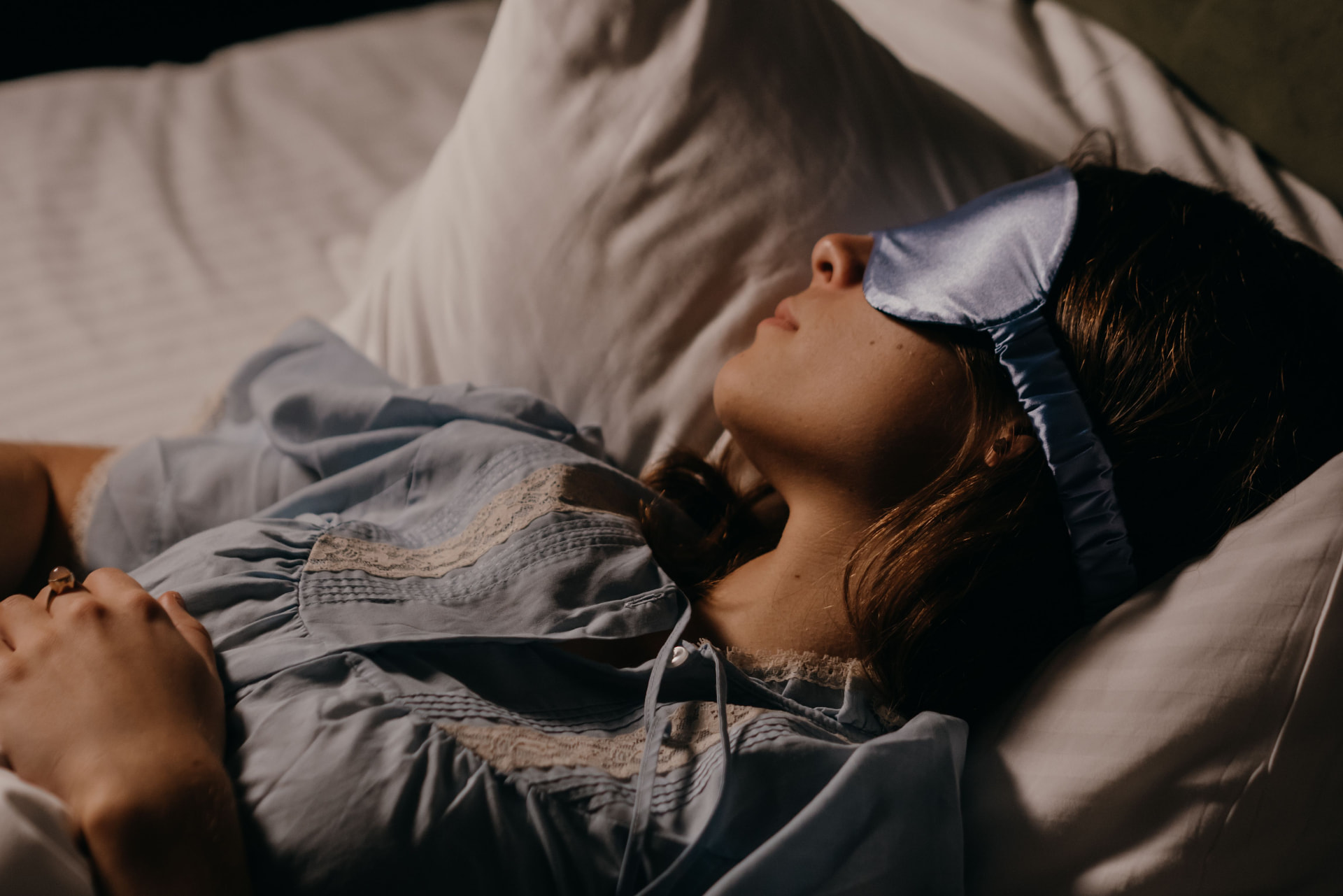
Sleep is not passive. It is the window in which muscle repair, hormonal balance and nervous system recovery actually happen.
How many times have you said, or heard someone say: "I am doing everything right, so why am I still in pain?"
You are going to your physiotherapist. You are doing the exercises. You are trying to eat well, and maybe you have started walking more, stretching, taking supplements or making healthier choices in your daily life. But your body still feels sore. Stiff. Tired. Not quite like itself.
What if the missing piece is not another treatment? What if it is what happens during the hours between closing your eyes at night and waking up the next morning?
In this guide, you'll find:
- Why the missing piece in recovery might be sleep
- Who can benefit from better sleep
- Sleep, stress and the recovery connection
- The Sleep Plan Method
- Frequently asked questions
- Your recovery starts while you sleep
Why the missing piece in recovery might be sleep
As a Sleep Coach, I spend my days talking about sleep. Not because I believe sleep is the answer to everything, but because I have seen, again and again, what happens when people finally begin sleeping better.
Their bodies often become more resilient. Their energy begins to return, and their mood becomes lighter. Their pain can become easier to manage, and suddenly the healthy habits they have been working so hard to build do not feel quite as difficult anymore.
Sleep is not something we should simply fit into our busy lives when everything else is finished. It is one of the most important things our body does every single day.
When we think about recovery, many of us immediately think about physiotherapy, exercise, stretching, massage, nutrition or other treatments. And all of these play an important role. But recovery does not only happen when we are actively doing something. A large part of recovery happens when we stop.
Go deeper: the tissue science
During sleep, the body enters a state where many important repair processes take place. Our muscles recover from the demands of the day, our brain processes information and memories, and our immune system supports our health. Hormones involved in repair and recovery are released, while the nervous system gets the opportunity to move away from constant alertness and towards restoration.
Contrary to popular belief, sleep is not passive. It is active recovery.
Who can benefit from better sleep
When we talk about recovery, many people naturally think about athletes first. The runner preparing for a race, the football player returning after an injury, or the person training several times a week and wanting to perform at their best. And they are absolutely right to think about sleep.
For athletes, sleep is one of the most powerful recovery tools available. Training creates stress on the body, and that stress is what allows us to become stronger. Sleep is when the body gets the opportunity to repair, restore and prepare for the next challenge. It supports muscle recovery, energy levels, focus and the ability to handle physical demands. The hours spent sleeping are not hours away from reaching your goals. They are part of the process of reaching them.
But working towards better sleep is not only for athletes. It is for all of us, because life itself requires recovery.
You do not need to run marathons, compete at a high level or follow an intense training plan to benefit from improving your sleep. The person recovering from an injury, the parent who wakes up already tired, the busy professional carrying constant stress, or the person who simply feels their body does not recover the way it used to, all deserve the opportunity to restore.
We often forget that everyday life creates demands on our bodies too. Walking, working, caring for others, travelling, managing emotions and navigating stressful periods all require energy. Just like an athlete needs recovery after training, we all need recovery after living, and sleep is where we give our body the time and space it needs to repair, restore and prepare for another day.
Whether your goal is better performance, healing after an injury or simply feeling more like yourself again, sleep is one of the most important foundations you can give your body.
Sleep, stress and the recovery connection
Many people struggling with injuries or ongoing pain focus only on the physical problem. Where does it hurt? Which exercise should I do? What treatment will help me improve?
These are important questions. But another important question is: how well am I actually sleeping?
Poor sleep can influence how we experience pain, how quickly we recover and how well our body responds to physical stress. When we are exhausted, everything can feel harder. Motivation decreases. The nervous system can become more sensitive, and recovery can feel slower.
Improving sleep does not replace treatment, but it creates a strong foundation for the treatments and healthy habits we are already doing.
Many people today are living in a constant state of doing. Working. Caring. Planning. Achieving. Solving. Our nervous system is designed to protect us, but when stress becomes constant, the body can struggle to enter a true recovery state.
Sleep is one of the most powerful ways we support our nervous system. When we create better sleep habits, we give the body a daily opportunity to slow down, restore and rebuild.
One of the things I love most about my work is seeing the moment people realise that better sleep is not only about feeling less tired, but about giving the body the opportunity to do what it was designed to do. Heal.
Every person has a different story. Different routines. Different stress levels. Different challenges. Different reasons why sleep has become difficult. That is why I do not believe in one perfect bedtime routine that works for everyone.
True recovery comes from looking at the whole person: sleep, movement, nutrition, stress, the nervous system, daily habits and more. Everything is connected. It is the same reason Physio Flora works alongside sports physicians and other specialists rather than treating one symptom in isolation.
The Sleep Plan Method
This is why I created The Sleep Plan Method. Not because there is a magic formula for sleep, but because every person deserves a sleep plan created around their own life.
Together, we look at your sleep patterns, daily routines, stress levels, nervous system, environment and habits around sleep. The goal is not perfection, but to help your body return to a place where sleep becomes a natural source of healing, recovery and energy.
Because better sleep comes from understanding your body, listening to what it needs and making small, sustainable changes that support you.
Frequently asked questions
Can better sleep support my recovery?
Yes. Sleep supports many of the processes involved in recovery, including muscle repair, immune function, hormonal balance and nervous system regulation. It works alongside treatments such as physiotherapy and exercise rehabilitation.
Do I need to be an athlete to focus on recovery sleep?
Absolutely not. Recovery is something every human being needs. Whether you are an athlete, recovering from an injury or simply wanting more energy in everyday life, sleep is a foundation of health.
How do I know if my sleep quality is good?
A good place to start is looking beyond the number of hours you sleep. Ask yourself: do I wake feeling restored? Do I have stable energy during the day? Do I feel mentally clear? Does my body recover well? You can also take my free Sleep Test and discover your current sleep score and where you can improve.
Does poor sleep make pain feel worse?
It can. Tiredness lowers pain tolerance and makes the nervous system more sensitive, so the same injury can feel more intense after a bad night. Improving sleep often makes rehabilitation feel more manageable.
Where can I learn more about your work?
You can find my book The Sleep Plan, The Sleep Reset App and The Sleep Plan Method at christinaribel.com.
Your recovery starts while you sleep
If you are recovering from an injury, living with ongoing pain or simply feeling that your body is not bouncing back the way it used to, ask yourself one simple question: how well am I actually sleeping?
Thank you for taking the time to read this. I hope it reminds you that recovery is not only about what you do during the day. It is also about how well you allow your body to restore at night.
Knus knus, Christina
At Physio Flora, we see sleep as a genuine part of the recovery equation, alongside physiotherapy, manual therapy and structured rehabilitation. Good sleep does not replace treatment, but it gives every treatment a better foundation to work from. Consultations are available in English, Dutch, German and Spanish, with same-week appointments and no referral needed.