
5 October 2026 · Flora Muijzer · 7 min read
Shin splints explained: the real cause of that ache along your shinbone, and how to fix it for good
Shin splints or MTSS slowing your running? We treat runners and triathletes with dry needling, gait analysis and graded return-to-running plans. Serving Costa del Sol: Mijas–Marbella.
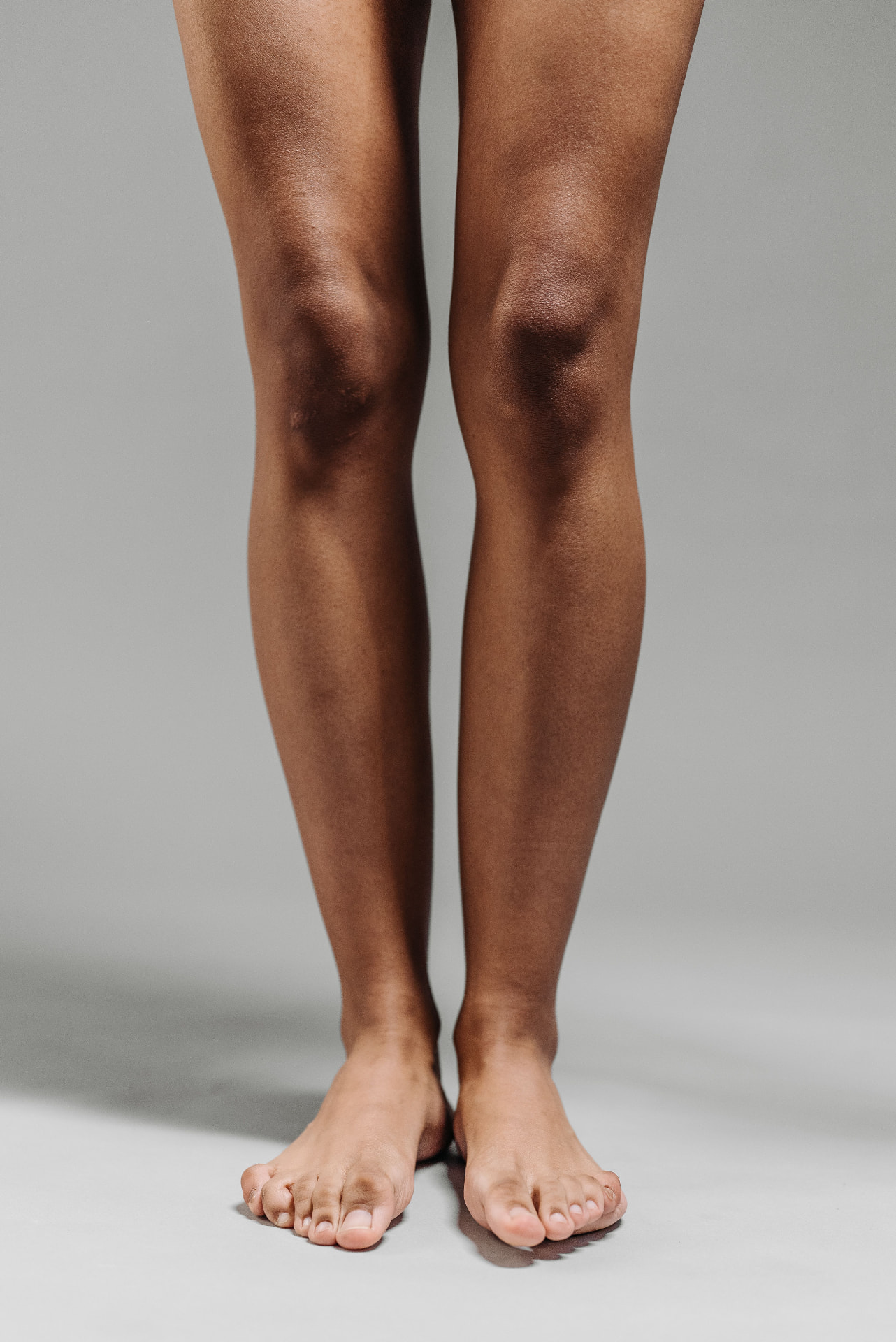
Shin splints is not actually a diagnosis. It is an umbrella term, and pain along the shinbone can come from several different tissues, each needing a different fix.
That distinction matters because treating the wrong tissue delays recovery. With an accurate diagnosis, however, most cases respond well to a structured physiotherapy plan and a smart return to running.
In this guide, you'll find:
- What shin splints actually is, and why the term covers more than one problem
- What's happening in the tissue itself (with a deeper-dive option)
- Common causes of shin splints in runners, triathletes, and returning athletes
- How we diagnose the root cause at Physio Flora
- Our physiotherapy treatment options for shin splints
- Three physiotherapist-approved exercises to start today
- Answers to the questions our patients ask most
What is shin splints?
The clinical name for classic shin splints is medial tibial stress syndrome, or MTSS. It describes pain along the inner edge of the shinbone, usually brought on by repetitive impact.
Patients typically describe a dull, aching pain that starts during a run and eases with rest. As a result, many people keep training through it for weeks before seeking help. Over time, however, the ache can start earlier in each session and linger longer afterwards.
MTSS sits on a spectrum. On one end is mild tissue irritation from too much, too soon. On the other end is a tibial stress reaction, a more advanced overload that needs closer management. Therefore, an accurate diagnosis at the start changes how quickly and how safely you can return to full training.
Deep dive
Go deeper: the tissue science
This section goes deeper into the physiology for readers who want it. Skip ahead to "Common causes of shin splints" if you'd rather get straight to the practical guidance.
The tibia, or shinbone, is covered by a thin layer of connective tissue called the periosteum. Several lower leg muscles, including tibialis posterior and soleus, attach into this layer along the inner border of the bone.
Repetitive impact loads the bone faster than it can adapt. Consequently, the periosteum becomes inflamed at the muscle attachment sites, and the bone itself begins remodelling under the extra stress. In milder cases, this stays as periosteal irritation. In more advanced cases, it progresses to a stress reaction within the bone, where micro-damage builds up faster than the tibia can repair it.
Healing timelines differ sharply between these stages. Periosteal irritation alone often settles within two to four weeks with modified loading. A genuine tibial stress reaction, however, typically needs six to twelve weeks of protected loading, since bone remodels far more slowly than muscle or periosteum.
Chronic cases behave differently again. When pain has persisted for months, the tibialis posterior and soleus are often working overtime to compensate for weak hips and a stiff ankle. Consequently, rehabilitation needs to address that compensation pattern, not just the painful spot on the bone itself.
Common causes of shin splints in runners, triathletes, and returning athletes
Shin splints almost always develops from a mismatch between training load and tissue capacity. In runners and triathletes, we commonly see:
- A sudden jump in weekly running volume, particularly after a break from training
- A switch to harder running surfaces, such as pavement, without a gradual transition
- Worn or unsuitable running shoes that no longer absorb impact effectively
- Limited ankle mobility, which increases the pull on the muscles attaching along the shin
Runners returning after time off are especially vulnerable. Because fitness recovers faster than bone tolerance, it is easy to resume a previous training volume before the tibia is ready for it. In addition, a low arch or excessive foot pronation increases strain on tibialis posterior with every stride, since the muscle works harder to control the foot's motion.
Cross-training athletes are not exempt either. Adding running to an existing cycling or swimming programme, without easing in gradually, places sudden new impact through bone that has not adapted to it.
How we diagnose the root cause at Physio Flora
Shin pain has several possible sources, so an accurate diagnosis is essential before starting treatment. Our assessment typically includes:
- Palpation along the tibia to map the exact location and length of tenderness
- A hop test and single-leg loading assessment, since a genuine stress reaction usually reproduces pain on hopping
- Ankle dorsiflexion range of motion, checked on both sides
- A running gait analysis, since cadence, foot strike, and stride length all influence tibial load
- A review of recent training history, including volume, surface, and footwear changes
Where a stress reaction is suspected, we refer for imaging before progressing load. This ensures the rehabilitation plan matches the actual stage of tissue healing, rather than guessing.
Our physiotherapy treatment options for shin splints
Treatment is built around calming the irritated tissue first, then rebuilding capacity so the same pattern does not return.
Dry needling. Targeted needling of tibialis posterior, soleus, and the deep calf muscles releases the overactive tension that concentrates load along the shin. This is often the most effective starting point for the muscular component of shin splints. Read more about dry needling at Physio Flora.
Manual therapy. Mobilisation of the ankle and foot joints restores the range of motion needed to absorb impact properly, taking some of the repetitive strain off the shin itself.
Sports massage. Regular soft tissue work through the calf and deep posterior compartment supports the other treatments and reduces tightness between sessions.
Sports performance coaching. We review running gait, cadence, and footwear, then build a structured, graded return-to-running plan. This is often the deciding factor between shin splints resolving fully or becoming a recurring problem.
Shockwave therapy. For chronic cases where the periosteum has become thickened and reactive over months, shockwave therapy can help restart the healing response in tissue that has stalled.
Pre and post-injury training plans. For triathletes and cross-training athletes, we build a progressive loading schedule that reintroduces running volume without overwhelming the tibia's current capacity.
We do not simply prescribe rest. Complete rest reduces symptoms temporarily, but it does little to build the tissue capacity needed to tolerate normal training once you return.
Three physiotherapist-approved exercises to start today
Try these within a comfortable range, and stop if pain increases sharply during or after.
-
Calf raises on a step. Stand with the balls of your feet on a step, heels hanging off the edge. Rise onto your toes, then lower slowly below the level of the step. Two to three sets of twelve repetitions build the calf and soleus strength that protects the shin.
-
Tibialis posterior strengthening. Sit with a resistance band looped around your foot, anchored to the opposite side. Slowly turn your foot inward against the band's resistance, then return with control. This directly strengthens the muscle most involved in MTSS.
-
Ankle dorsiflexion mobilisation. Kneel in a lunge position with your front foot flat, and gently drive your knee forward over your toes without lifting your heel. Hold for a few seconds and repeat. Improved ankle mobility reduces compensatory strain further up the leg.
If any exercise sharply increases your shin pain, stop and book an assessment before continuing to train.
Answers to the questions our patients ask most
Is it safe to keep running with shin splints?
It depends on severity. Mild periosteal irritation often tolerates modified running, but a genuine stress reaction usually needs a period away from impact. An assessment tells you which category you fall into.
How is a stress reaction different from a stress fracture?
A stress reaction is early-stage bone overload, visible on imaging as inflammation without a fracture line. Left untreated, it can progress toward an actual stress fracture, which is why early diagnosis matters.
How long does recovery usually take?
Mild cases often improve within two to four weeks of modified loading. A confirmed stress reaction typically needs six to twelve weeks of protected, gradually increasing load.
Can new running shoes fix shin splints on their own?
Footwear helps, but it rarely solves the problem alone. Training load, ankle mobility, and running mechanics usually need addressing alongside any footwear change.
Will shin splints come back if I don't change anything?
Often yes. Without addressing the underlying training load, gait pattern, or muscle strength, the same overload pattern tends to resurface once volume increases again.
Shin splints does not have to end your season, or your training block.
At Physio Flora, we combine thorough clinical assessment with evidence-based treatment and a genuine understanding of an active lifestyle, wherever it's lived. No referral needed. Consultations available in English, Dutch, German and Spanish. Same-week appointments available.
Every stride starts with a shin that can handle the load. Let's get yours there.
Book a shin splints assessment
Physio Flora · English, Dutch, German and Spanish-speaking physiotherapy on the Costa del Sol · Specialising in running injuries and endurance sport rehabilitation
Related reading: Runner's knee: why pain under the kneecap keeps coming back · IT band syndrome in runners and cyclists