
20 July 2026 · Dr. Mirjam Steunebrink · 5 min read
What is sports medicine, and who can benefit?
Each month, Physio Flora invites a specialist to share their expertise with our readers. This month, we welcome Dr. Mirjam Steunebrink, Sports Physician at Costa Sports Medicine, who explains what sports medicine really means and why it is for far more than elite athletes.
Sports medicine helps people of all ages and activity levels move safely, recover from injury and stay healthy long term. Dr. Mirjam Steunebrink explains.
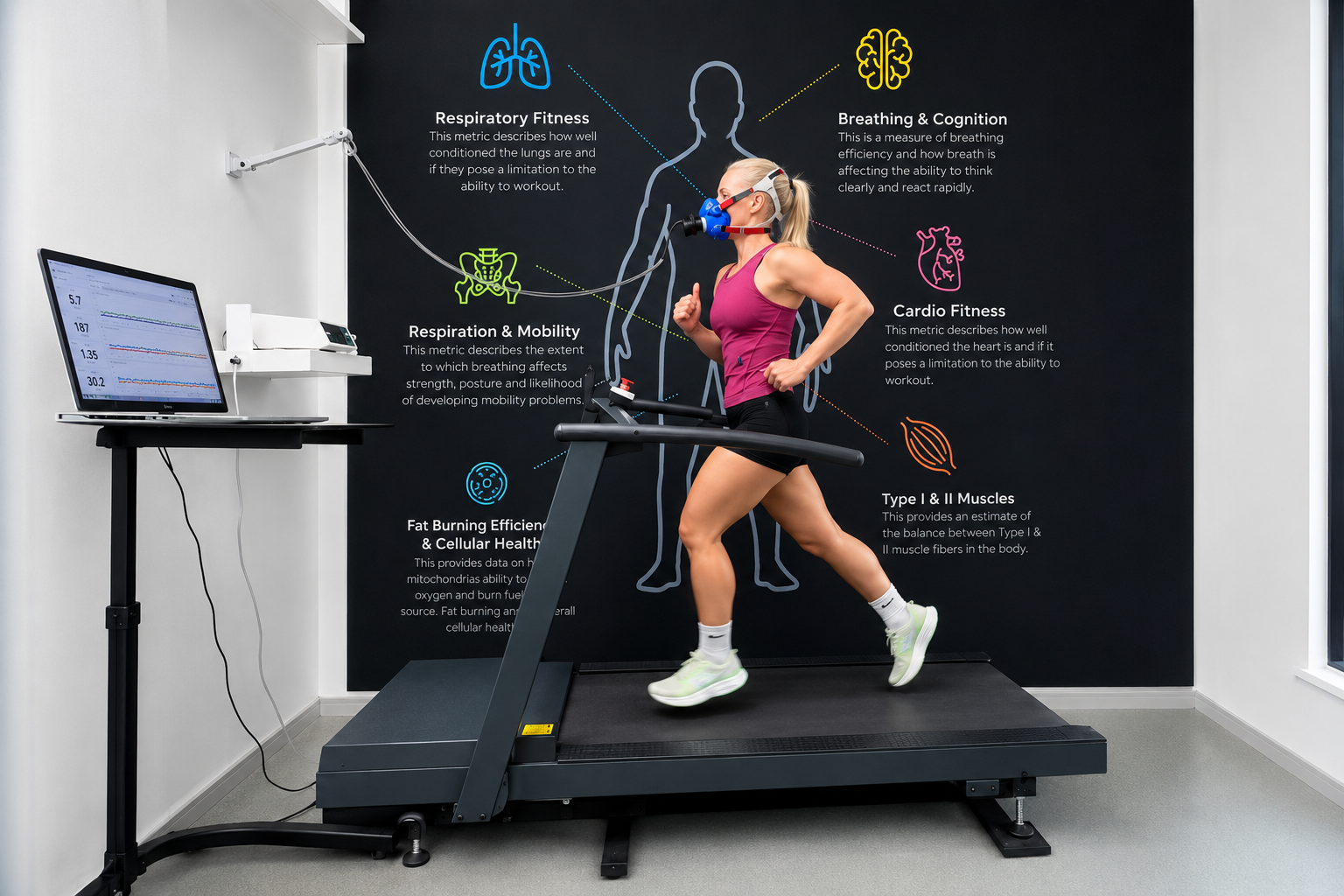
Sports performance testing measures how your body responds to load, from respiratory fitness to cardiovascular capacity, so your diagnosis and return-to-sport plan are built on objective data.
When people hear the term sports medicine, they often think it is only for elite athletes or professional sports teams.
Nothing could be further from the truth.
Sports medicine is the medical specialty that focuses on helping people move safely, recover efficiently and stay active throughout every stage of life. Whether you are training for your first 5K, playing golf twice a week, recovering from surgery or simply trying to stay healthy as you get older, sports medicine can help you achieve your goals.
At Physio Flora, we believe movement is one of the most powerful forms of medicine. As a sports physician, I work closely with physiotherapists and other healthcare professionals to ensure every patient receives the right diagnosis, the right treatment and the right plan to return to the activities they enjoy.
Sports medicine is about more than injuries
Many people visit a sports physician because of pain or an injury. While injury diagnosis and treatment are an important part of my work, sports medicine goes much further.
Our goal is to optimise health through movement. This means understanding not only where the pain is, but why it developed in the first place. Was it caused by training errors? Is there muscle weakness? Are there poor movement patterns? What about underlying hormonal changes? What is the impact of stress? How is the sleep quality? Which recovery strategies are used? Is there any underlying medical condition?
Finding the underlying cause allows us to treat the problem instead of simply managing the symptoms.
Who can benefit from sports medicine?
The answer is simple: almost everyone.
Active adults
Whether you enjoy running, cycling, golf, tennis, padel, hiking or going to the gym, sports medicine helps you stay active while reducing the risk of injury. We assess your movement, physical capacity and training habits to help you perform safely and efficiently.
Recreational and competitive athletes
From weekend warriors to marathon runners and triathletes, athletes often seek advice on injury prevention, performance optimisation and safe return to sport after injury. A sports physician can also advise on training load, recovery, nutrition and medical conditions that may influence performance.
People recovering from injury or surgery
Returning to activity after surgery or injury requires more than simply waiting for the pain to disappear. A personalised rehabilitation plan helps restore strength, mobility and confidence while reducing the risk of re-injury. Working together with the physiotherapists at Physio Flora ensures a seamless transition from diagnosis to rehabilitation, and finally back to full participation in work, sport and daily life.
Adults who want to age well
One of the fastest growing areas within sports medicine is healthy ageing. As we get older, maintaining muscle strength, balance, cardiovascular fitness and bone health becomes increasingly important. Exercise is one of the most effective treatments available for preventing chronic disease, reducing falls and maintaining independence. Sports medicine helps people remain active safely, regardless of age.
Women during perimenopause and menopause
Hormonal changes can significantly affect muscle mass, bone density, recovery, sleep, body composition and injury risk. Many women notice that the exercise routines that worked in their thirties suddenly become less effective. With appropriate medical guidance, exercise prescription and lifestyle advice, women can continue to feel strong, energetic and confident throughout midlife and beyond.
What happens during a sports medicine consultation?
Every consultation begins by listening. Understanding your medical history, your goals and your lifestyle is just as important as examining the painful area.
Depending on your situation, your assessment may include:
- A comprehensive medical evaluation
- Musculoskeletal examination
- Functional movement assessment
- Exercise and training review
- Lifestyle assessment
- Cardiovascular risk evaluation
- Return-to-sport advice
- Preventive health recommendations
Together, we develop a personalised plan that fits your body, your lifestyle and your goals.
Prevention is better than treatment
One of the greatest strengths of sports medicine is prevention. Many injuries and health problems develop gradually over time. By identifying risk factors early, we can often prevent problems before they become serious.
This may involve improving movement quality, adjusting training schedules, building strength, improving recovery or addressing lifestyle factors such as sleep, stress and nutrition. Our aim is not simply to help you recover, but to help you become stronger and more resilient than before.
A team approach
The best results are achieved when healthcare professionals work together. At Physio Flora, sports medicine and physiotherapy complement each other perfectly.
As a sports physician, I provide the medical diagnosis, assess underlying medical factors and determine the most appropriate treatment strategy. The physiotherapists then guide your rehabilitation through evidence-based exercise therapy, movement optimisation and progressive return to activity.
Together, we provide comprehensive care: from diagnosis to recovery, from recovery to performance, and from performance to lifelong health.
Frequently asked questions
Do I need to be an athlete to see a sports physician?
No. Sports medicine is for anyone who wants to move well, recover from injury or stay healthy as they age — from complete beginners to lifelong athletes.
Can sports medicine help with menopause symptoms?
Yes. Hormonal changes affect muscle mass, bone density, sleep and recovery. Sports medicine offers targeted exercise prescription and lifestyle guidance to help women feel strong and energetic through perimenopause and menopause.
Do I need a referral to see Dr. Mirjam Steunebrink?
No referral is required. You can book a consultation directly through Costa Sports Medicine, or ask Physio Flora to help coordinate your appointment.
How do sports medicine and physiotherapy work together?
The sports physician provides the medical diagnosis and treatment plan; the physiotherapist delivers hands-on treatment and guides rehabilitation. Working as a team, we cover diagnosis, recovery and long-term performance in one coordinated pathway.
Which languages are available?
Consultations are available in English, Dutch, German and Spanish. Same-week appointments are usually available at both clinics.
Move better. Live better.
You do not have to be an elite athlete to benefit from sports medicine. If you want to move without pain, recover from injury, improve your performance or simply stay active and healthy for years to come, sports medicine can help.
Because staying active is not just about sport. It is about living well.
At Physio Flora, we work together with sports physicians, doctors and other sports and health care professionals to give you a clear diagnosis and a personalised plan, from your first consultation through to full recovery.